
Mental Health and Wellbeing
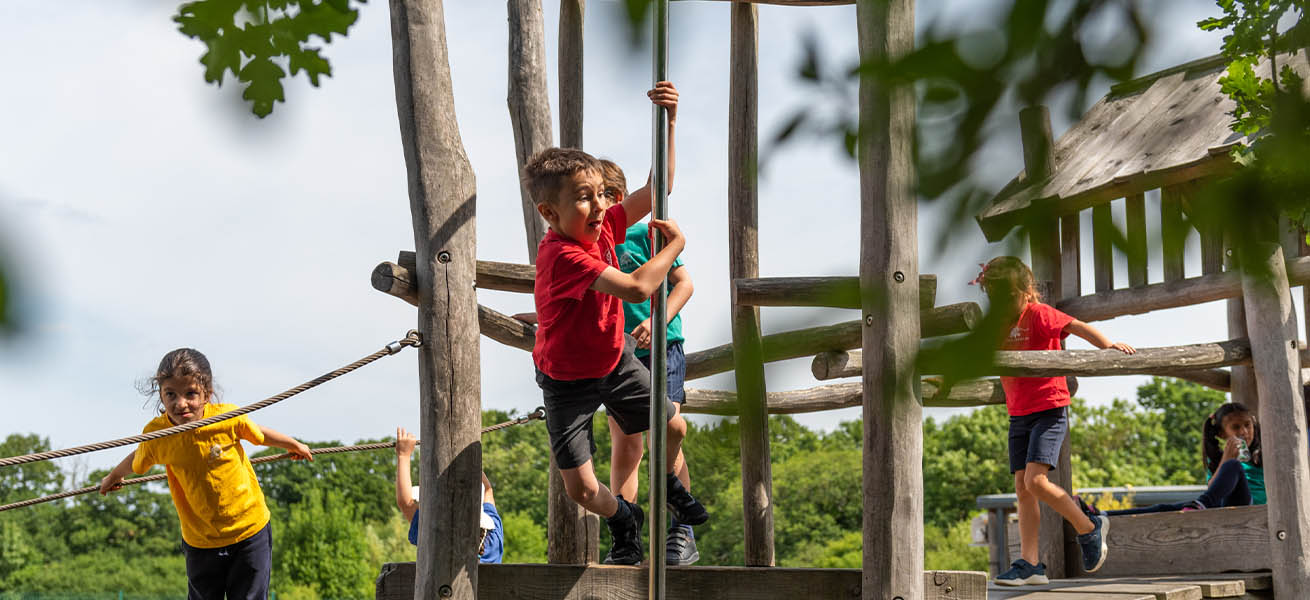
At Saracens Broadfields, we make sure every child, family, and staff member feels happy, safe, and supported. We believe that when everyone feels good, learning thrives.


Our Wellbeing Promise
Imagine a school that’s calm, warm, and joyful – where kids can truly be themselves. That’s our goal at Saracens Broadfields.
We want every child to feel safe, supported, and confident to explore their potential. For us, emotional and mental wellbeing are just as important as academic success.
Our school values – discipline, hard work, honesty and humility – guide us in everything we do, helping us create a kind, respectful, and inclusive community. We also use the “Five Pillars of Wellbeing”: Connect; Be Active; Take Notice; Keep Learning; and Give.
What We’re Doing
We’re constantly working on making wellbeing part of everyday school life. Four of the key ways we do that are:
- Wellbeing Lessons: Our weekly PSHE lessons teach children about emotions, building resilience, empathy, and healthy relationships.
- Spotting Concerns Early: We have a system to identify mental health concerns in children quickly. Staff are trained to notice changes and we have regular check-ins and surveys to make sure no one is missed.
- Trauma Informed School: Our staff are trained to recognise and support children who have suffered trauma
- Wellbeing Week for the whole school: It’s a great way to thank everyone for their hard work and show how far we’ve come in making Saracens Broadfields an even better place!
Levels of support at Saracens Broadfields
- Universal Support– To meet the needs of all our pupils through our overall ethos, school values and our wider curriculum. For instance, developing resilience for all.
- Additional support– For those who may have short term needs and those who may have been made vulnerable by life experiences such as separation or bereavement.
- Targeted support– For pupils who need more differentiated support and resources or specific targeted interventions such referral to wider professionals.
Useful links
Dealing with anxiety – https://tutorful.co.uk/guides/the-expert-guide-to-help-your-child-with-anxiety
Every Mind Matters – https://coronavirusresources.phe.gov.uk/now-more-than-ever-every-mind-matters/
Young minds parents’ survival guide – https://youngminds.org.uk/find-help/for-parents/parents-survival-guide/
Anna Freud National Centre for Children and Families – https://www.annafreud.org/parents/
https://www.familylives.org.uk/how-we-can-help/confidential-helpline/
https://www.mind.org.uk/information-support/drugs-and-treatments/talking-therapy-and-counselling/how-to-find-a-therapist/#.WZ6x_7pFzRM%C2%A0
https://www.mentallyhealthyschools.org.uk/resources/gingerbread-for-single-parents/?page=1&IssuePageId=1301
https://youngminds.org.uk/resources/school-resources/find-your-feet-transition-tips-for-parents/
https://www.parentsprotect.co.uk/if-a-child-tells-you-about-abuse.htm
https://www.nhs.uk/live-well/alcohol-support/
http://www.anorexiabulimiacare.org.uk/family-and-friends/parents
https://www.autismhelp.info/primary-years
https://www.mencap.org.uk/
https://www.rarechromo.org/
https://booksbeyondwords.co.uk/
Useful Documents

Sites for children
https://www.superkidsnutrition.com/
https://www.healthforkids.co.uk/staying-healthy/ all ages
https://www.mindmate.org.uk/ – Year 3, Year 4, Year5 and Year 6
https://youngminds.org.uk/ Year 6